
Learn to Cook Like You Actually Know What You're Doing
Most cooking classes teach you recipes. We teach you how to cook—the kind of understanding that means you can walk into any kitchen and figure things out. It's about confidence more than fancy plating.
Foundation Techniques
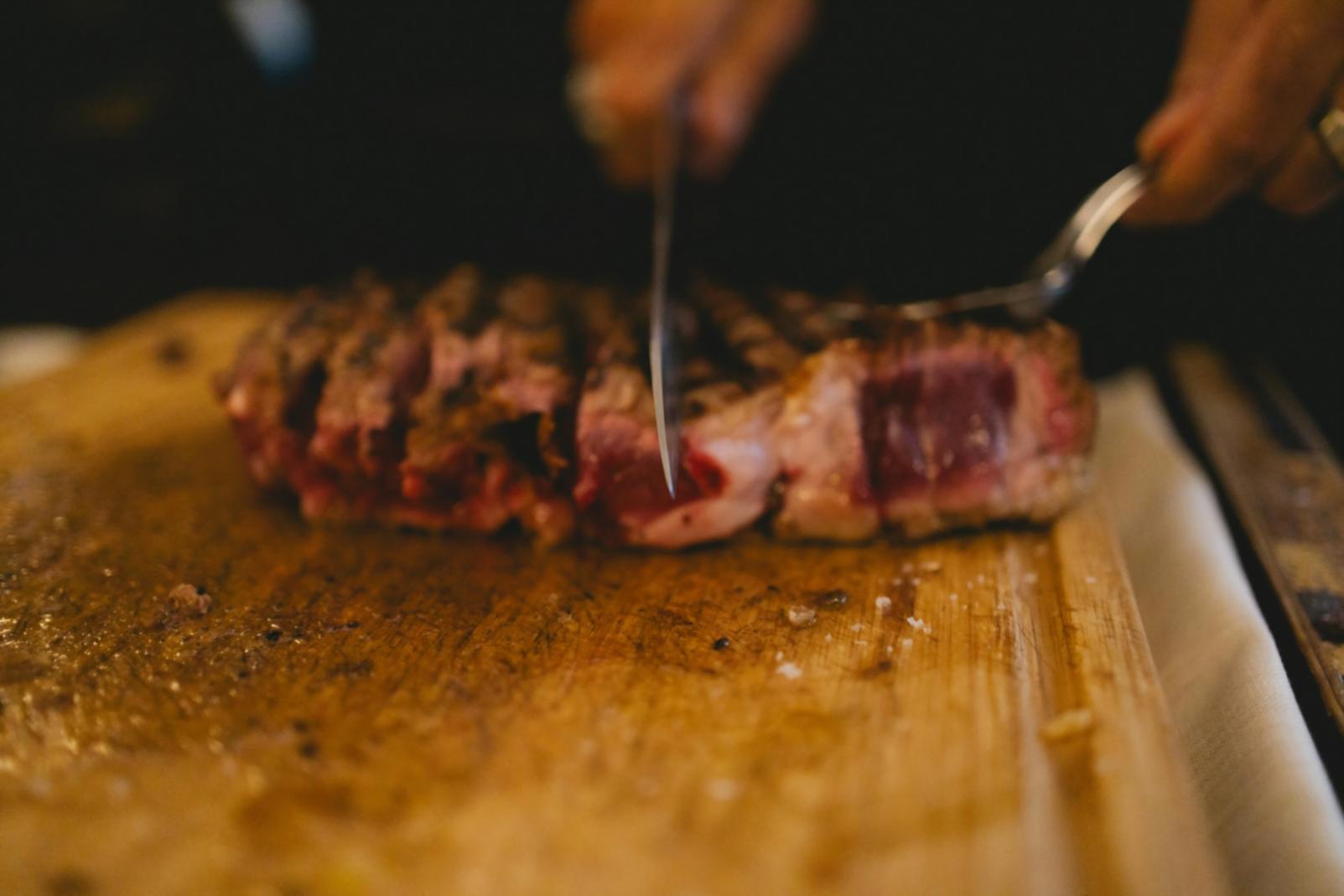
The stuff everybody assumes you already know but nobody teaches properly. Knife skills that don't end with bandages. Heat control that keeps things from burning. Basic sauces that work every time once you get the logic.
- Proper knife handling and maintenance
- Temperature management across different cooking methods
- Building flavor without following recipes blindly
- Understanding why things work, not just how
Regional Specialties
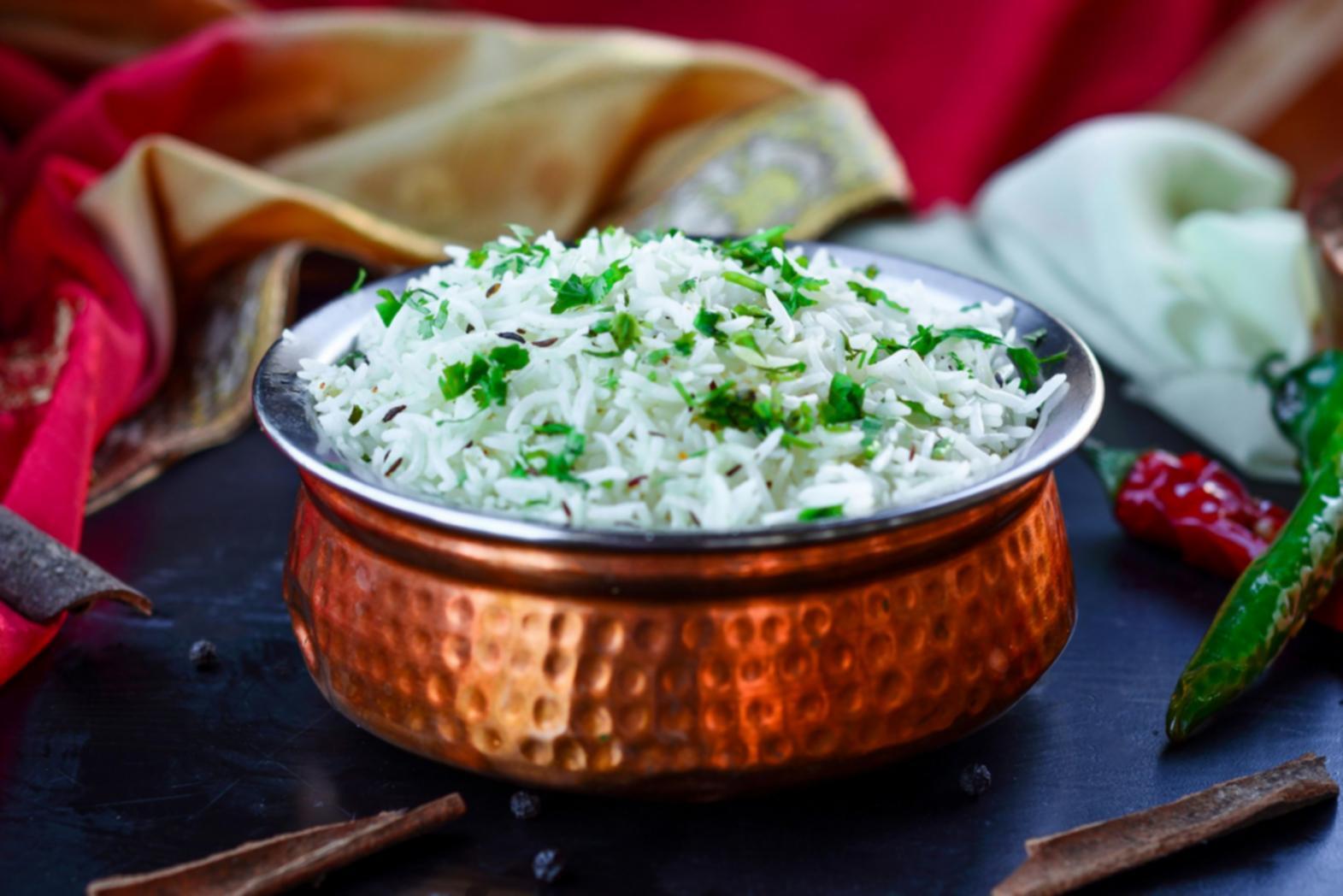
Deep exploration into specific cuisines. Not the tourist version—actual techniques from regions with serious food traditions. Italian pasta that Italians would recognize. French techniques stripped of the pretension.
- Authentic regional cooking methods
- Ingredient selection and substitution wisdom
- Traditional approaches with practical adaptations
- Cultural context that makes techniques stick
How a Masterclass Actually Works
We keep groups small. Usually six to eight people, which means you're not watching from the back while someone else does all the work. You're cooking the whole time, and I'm right there fixing mistakes before they become disasters.
Walk Through the Menu
First fifteen minutes, we talk about what we're making and why. I explain the techniques we'll use and what can go wrong. Some people find this boring. Those people usually burn things later.
Hands-On Prep and Cooking
This is most of the class—around two hours of actual cooking. Everyone works at their own station. I rotate through, catching problems early and explaining adjustments. You mess up a sauce? We fix it together and you learn what happened.
Eat What You Made
Last part is sitting down with what you cooked. Sounds simple, but it matters. You taste the result of your decisions. Sometimes it's great. Sometimes you learn what needs work next time. Either way, you understand the connection between technique and outcome.
Questions and Kitchen Talk
Over food, people ask the real questions—the ones they didn't want to ask mid-chop. Equipment recommendations. How to salvage dinner party disasters. Whether expensive knives actually matter. This informal part often teaches more than the formal instruction.
People Who Teach Here
Everyone who teaches at Salvatore has spent years in professional kitchens and knows how to explain things without culinary school jargon. We don't do celebrity chef energy—just solid instruction from people who cook for a living.
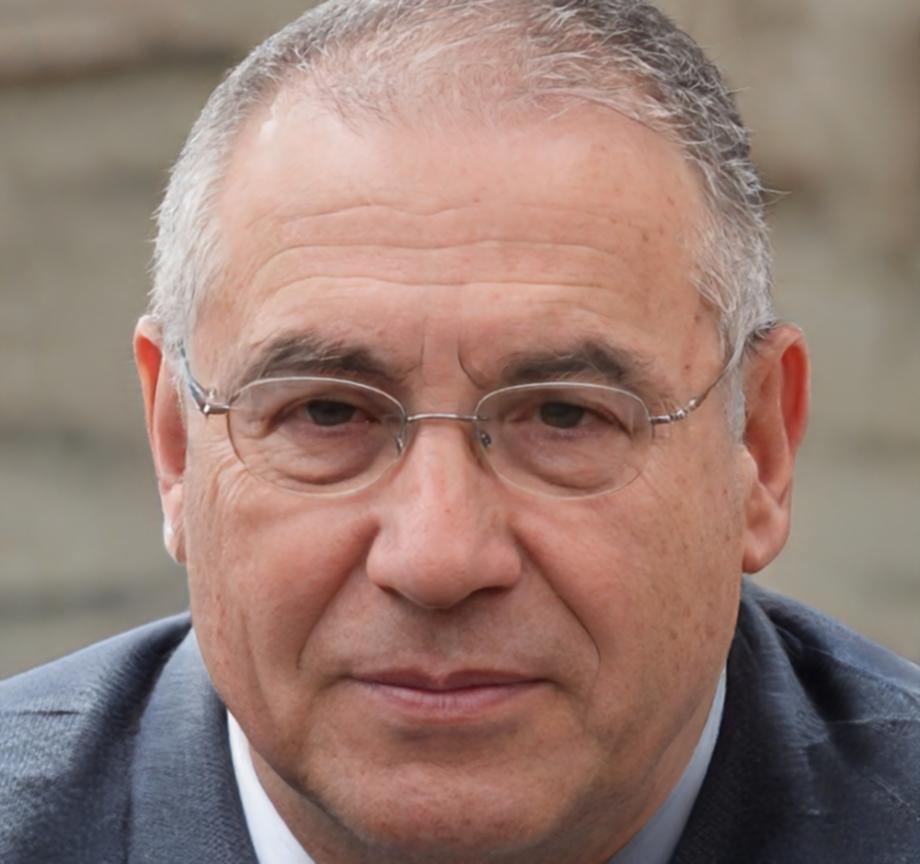
Torsten Bjørnstad
Spent twelve years in Scandinavian restaurants before moving to teach. Known for making French technique accessible without dumbing it down. Patient with beginners, challenging with advanced students.
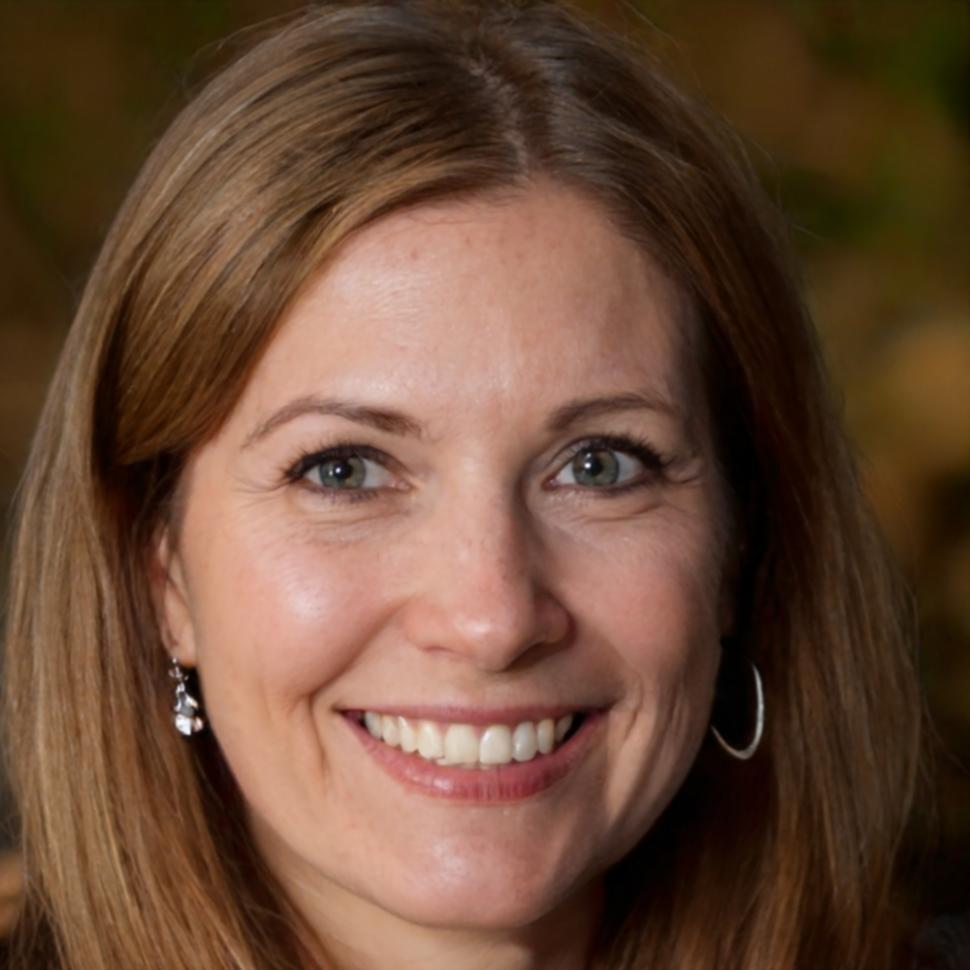
Eleni Papadakis
Grew up in Greek kitchens, trained in Italy, worked across Europe. Teaches regional cooking with emphasis on ingredient quality and traditional methods. Doesn't tolerate shortcuts that sacrifice flavor.
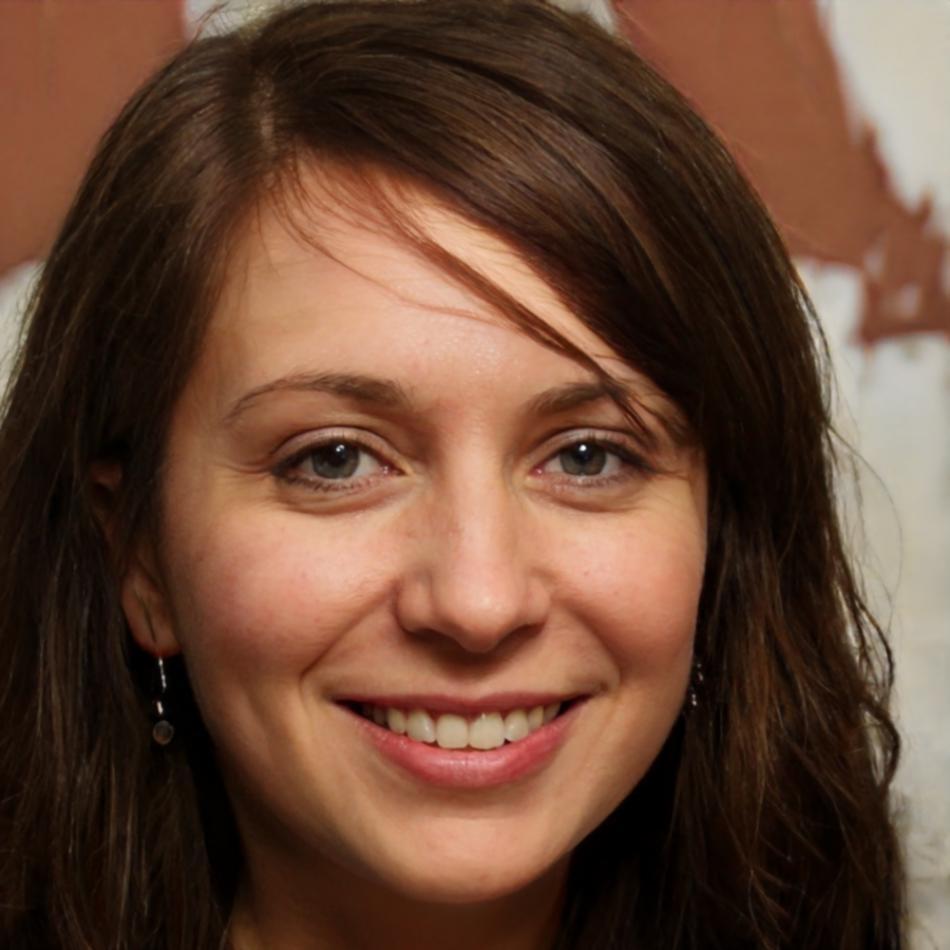
Siobhan O'Malley
Trained pastry chef who explains the science behind baking without making it feel like chemistry class. Specializes in turning nervous bakers into confident ones through clear instruction and reliable techniques.
Start Cooking With Actual Confidence
Classes run year-round with new sessions starting monthly. Limited spots because we keep groups small. Reach out and we'll talk about which class makes sense for where you're at.
Get in Touch